New Year Goals for Your Smile: Making Cosmetic Dentistry Last
Source: Dr. Marketing
The beginning of a new year often encourages reflection. Many people think about what they want to improve, protect, or maintain in the months ahead. For patients who have invested in cosmetic dental treatments, the New Year is not only about achieving a beautiful smile but about preserving it. Cosmetic dentistry delivers meaningful results, but those results last longest when supported by the right habits, care routines, and understanding.
At Hornbrook Center for Dentistry, we often speak with patients in San Diego who want to know how to protect the cosmetic dental work they have chosen. Veneers, teeth whitening, dental bonding, crowns, and bridges are designed to enhance appearance and function, yet their longevity depends on how they are cared for long after treatment is complete. Understanding this relationship allows patients to approach the New Year with realistic goals and long-term confidence.
Why Longevity Matters in Cosmetic Dentistry

Cosmetic dental treatments are not short-term changes. They are designed to integrate into daily life and support comfort, function, and confidence over time. When patients invest in their smile, they are also investing in their oral health. Preserving cosmetic results protects that investment and helps avoid unnecessary repairs or replacements.
Longevity is influenced by several factors, including oral hygiene, dietary choices, bite habits, and routine dental care. The New Year offers an ideal opportunity to reassess these areas and create habits that support cosmetic work rather than compromise it.
Understanding How Cosmetic Restorations Respond to Daily Use
Cosmetic dental materials are strong and carefully selected, but they are not indestructible. Veneers, bonding, crowns, and bridges all interact with natural teeth, gum tissue, and bite forces every day. Understanding how these restorations function helps patients make better choices.
Daily activities such as chewing, speaking, and even stress-related clenching place pressure on teeth and restorations. Over time, unmanaged habits can contribute to wear or changes in appearance. Being aware of these factors allows patients to adjust behavior early rather than react later.
Caring for Dental Veneers Beyond the Initial Results
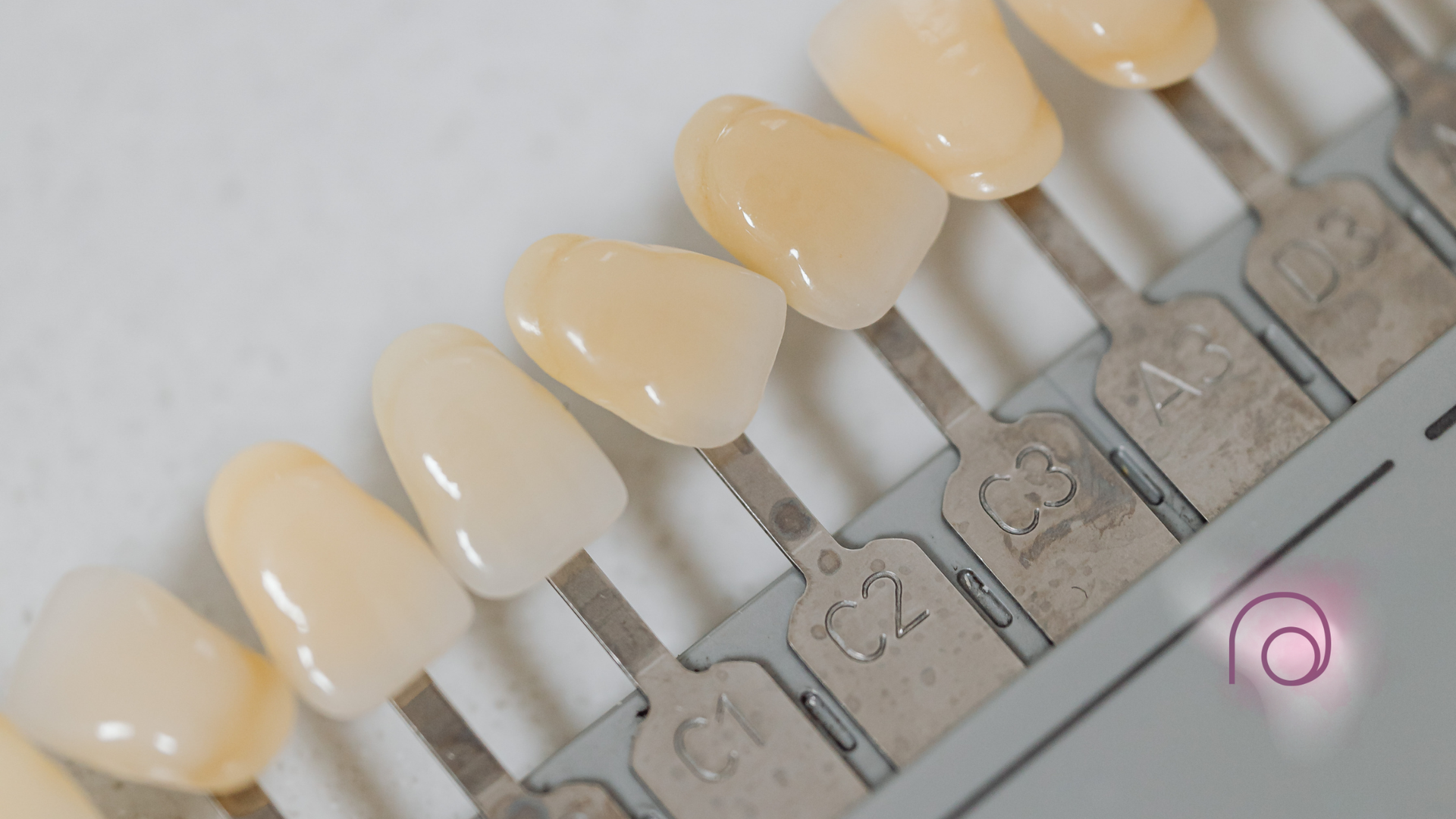
Dental veneers are often chosen to improve tooth shape, color, and symmetry. While veneers are durable, their longevity depends on thoughtful care. Avoiding excessive force is one of the most important considerations. Biting ice, opening packaging with teeth, or chewing on hard objects places unnecessary stress on veneer surfaces.
Oral hygiene also plays a central role. Veneers rely on the health of the underlying tooth and surrounding gum tissue. Gentle brushing with non-abrasive toothpaste and daily flossing help protect the margins where veneers meet natural teeth. Routine professional cleanings allow early detection of changes that could affect longevity. For patients in San Diego, regular check-ins at Hornbrook Center for Dentistry help ensure veneers remain stable and continue to blend naturally with the surrounding smile.
Maintaining Teeth Whitening Results Throughout the Year
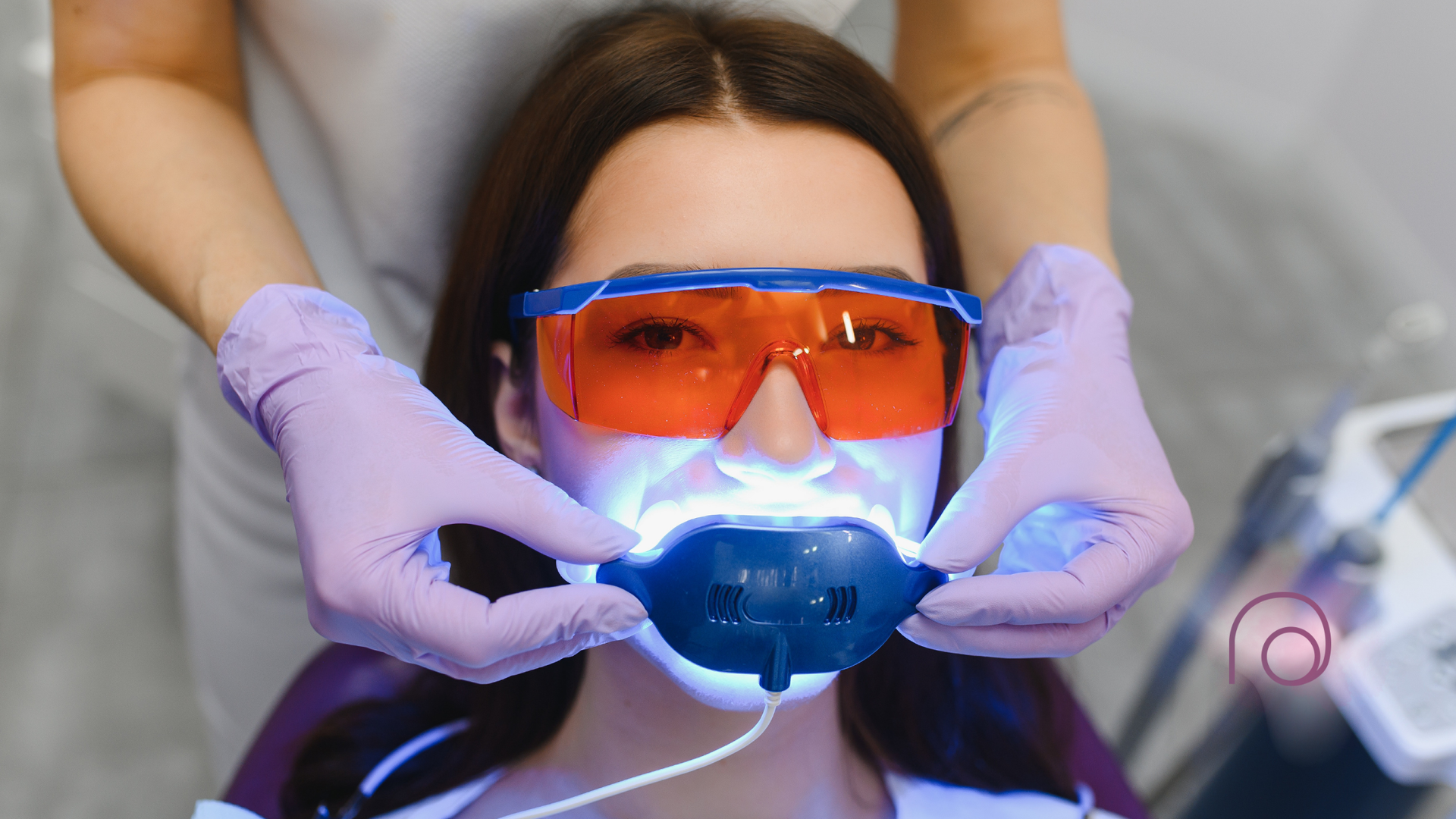
Teeth whitening is one of the most requested cosmetic treatments because of its immediate visual impact. However, whitening results are not permanent without maintenance. Over time, staining agents from food and beverages can gradually affect brightness.
Coffee, tea, red wine, dark sauces, and certain berries are common contributors to discoloration. This does not mean they must be eliminated entirely, but moderation and awareness matter. Rinsing with water after consuming staining foods and maintaining consistent oral hygiene help slow color changes. Professional cleanings remove surface stains before they settle deeper into enamel. Some patients benefit from occasional whitening touch-ups, depending on lifestyle and individual enamel characteristics. Understanding how whitening works allows patients to maintain results without overuse.
Protecting Dental Bonding From Premature Wear
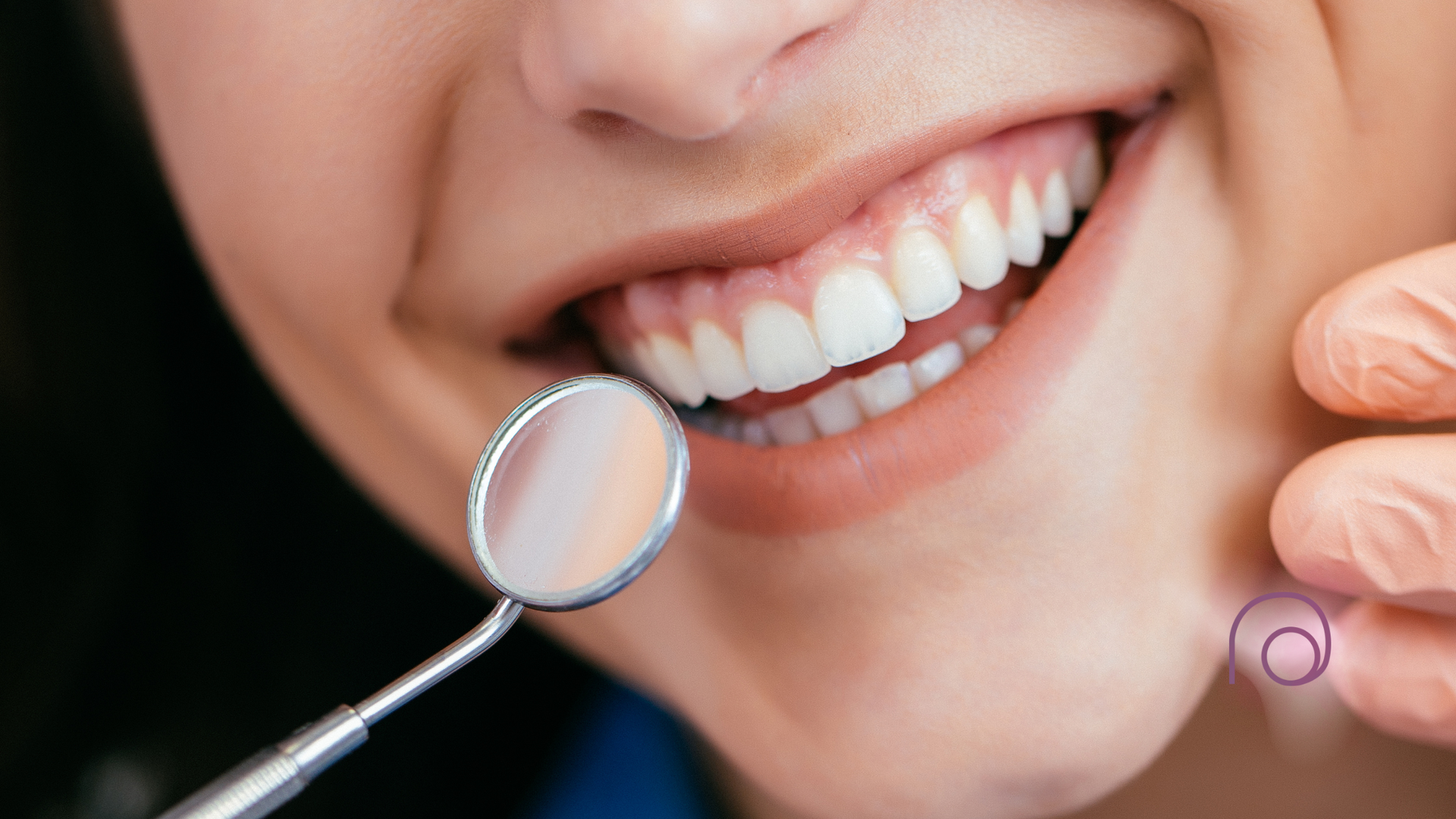
Dental bonding is frequently used to address chips, minor gaps, or shape irregularities. Bonding material blends seamlessly with natural teeth, but it can be more sensitive to wear and staining than some other restorations. Protecting bonding begins with habit awareness. Avoiding excessive pressure on bonded areas helps preserve their shape and appearance. This includes being mindful of nail biting, chewing on pens, or using teeth to tear packaging.
Bonding also benefits from gentle oral hygiene practices. Abrasive toothpaste or aggressive brushing techniques may affect surface texture over time. Regular dental visits allow us to monitor bonded areas and address small concerns before they become noticeable.
Supporting the Longevity of Crowns and Bridges
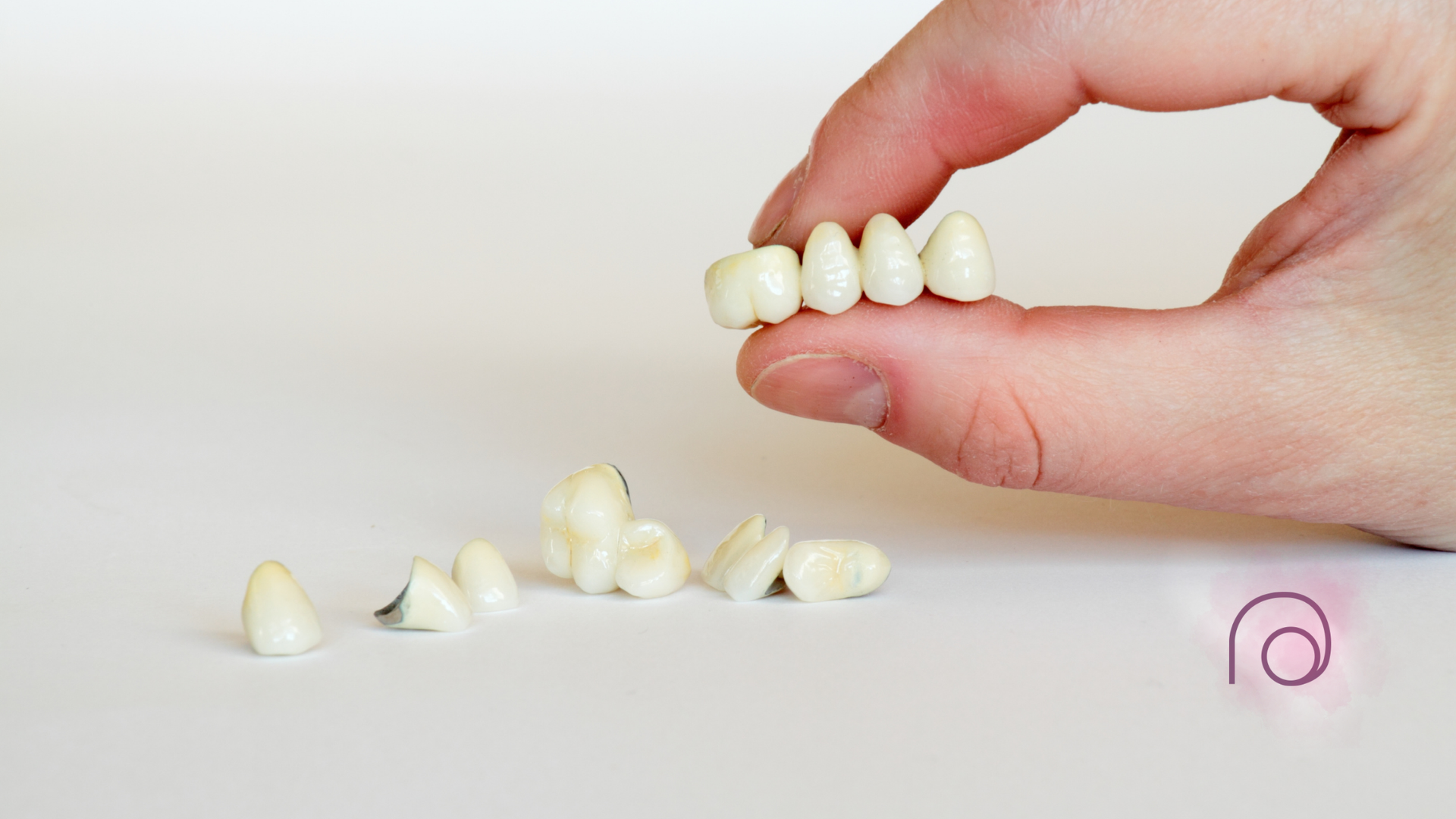
Crowns and bridges are designed to restore both function and appearance, particularly when teeth have been weakened or lost. While these restorations are built to withstand daily use, their success depends on the health of the surrounding structures. Effective brushing and flossing are essential, especially around crown margins and beneath bridgework. Plaque accumulation in these areas can affect gum health and supporting teeth. Using recommended flossing aids can improve access and support long-term stability. Routine dental evaluations allow us to assess how crowns and bridges are functioning within the bite. Addressing minor adjustments early helps prevent uneven wear and supports comfort over time.
The Impact of Bite Forces and Night Habits
Many cosmetic restorations are affected not by diet but by bite-related habits. Grinding and clenching, especially during sleep, place significant stress on teeth and restorations. These habits often occur without conscious awareness.
When bite forces are not managed, cosmetic work may show signs of wear sooner than expected. Protective appliances, when recommended, help reduce stress and support longevity. Identifying these concerns early allows for proactive care rather than reactive repairs.
Daily Habits That Make a Long-Term Difference

Longevity in cosmetic dentistry is built through consistency. Brushing twice daily, flossing regularly, and attending professional cleanings remain foundational. Avoiding tobacco products and maintaining balanced dietary habits also contribute to long-term results.
Hydration supports saliva production, which plays an important role in protecting teeth and restorations. Saliva helps neutralize acids and reduce bacterial buildup, supporting both natural teeth and cosmetic work. These habits may feel simple, but their cumulative effect over time is significant. Patients who maintain consistent routines often experience more stable results and fewer complications.
Aligning New Year Goals With Smile Preservation
New Year goals often focus on health, confidence, and self-care. Incorporating smile maintenance into these goals reinforces the value of cosmetic dental treatment. Protecting results supports confidence throughout the year rather than allowing gradual decline. At Hornbrook Center for Dentistry in San Diego, we encourage patients to view cosmetic dentistry as an ongoing partnership. Professional care and daily responsibility work together to support lasting outcomes.
Why Ongoing Professional Care Remains Essential

Even with excellent home care, professional monitoring plays an important role. Routine visits allow us to evaluate restorations, gum health, and bite alignment. Early detection of changes helps prevent small issues from becoming larger concerns. Professional cleanings also help preserve appearance by removing surface stains and plaque that daily brushing may miss. Consistent care supports both aesthetics and oral health.
A Long-Term Approach to Cosmetic Confidence
Cosmetic dental treatments are designed to enhance smiles in meaningful and lasting ways. However, their success does not end when treatment is complete. Understanding how daily habits affect restorations allows patients to protect their investment and enjoy results longer. As the New Year unfolds, focusing on maintenance supports not only appearance but overall oral health. With thoughtful care, realistic expectations, and professional guidance, cosmetic dental results can remain strong, natural, and confidence-building for years to come.